Automation Is a Tool, Not a Strategy
Pricing automation sounds powerful. Set the rules once, let the system handle the rest, and watch revenue grow. That idea is attractive, especially for rental operators managing multiple locations and hundreds of daily pricing decisions.
But automation without strategy creates expensive mistakes. Many businesses rush into full automation expecting perfect results, only to discover their prices dropped too low during peak demand or stayed too high during soft demand periods.
Automation should support decision-making, not replace thinking. The best operators automate repetitive actions and protect strategic decisions with human oversight. That balance is where real performance happens.
What Should Be Automated
Some pricing decisions are repetitive and predictable. These are the best candidates for automation.
Daily competitor rate monitoring, alerting when competitors move significantly, raising rates when availability drops below a threshold, lowering rates when inventory remains high for too long, and sending morning pricing reports are all strong examples.
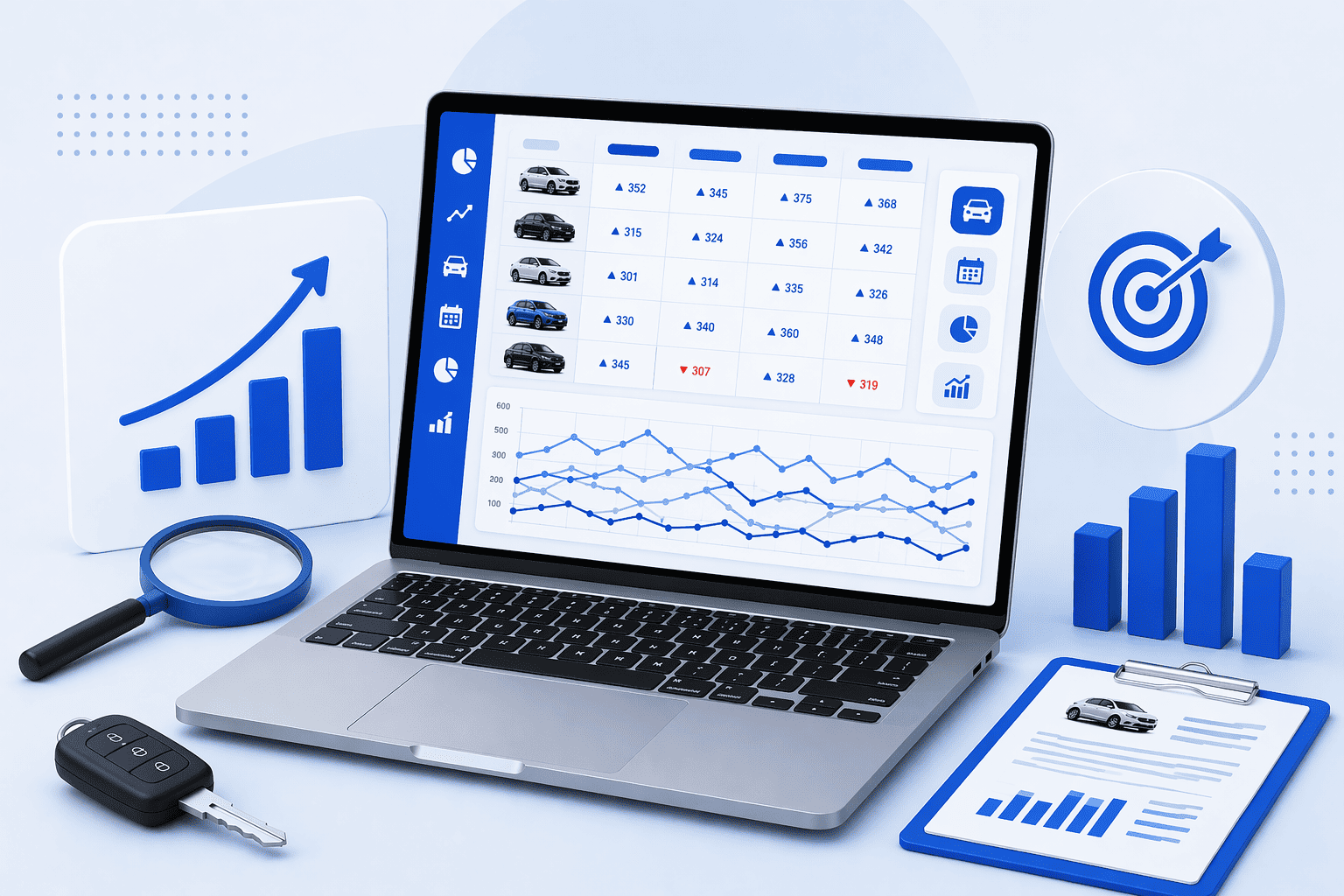
These actions follow clear logic and happen frequently. Automation removes manual work and improves speed. Instead of checking multiple supplier websites every morning, your dashboard shows exactly what changed and where action is needed.
That saves time, reduces human error, and improves consistency across all locations.
What Should Stay Human
Not every pricing decision should be automated. Some situations require judgment and business understanding.
Major local events, unexpected flight cancellations, weather disruptions, competitor liquidation pricing, and long-term strategic repositioning are all situations where human thinking matters more than automatic rules.
A system may detect the numbers, but it cannot always understand the reason behind them. If a competitor drops prices aggressively because they are clearing old fleet inventory, matching them automatically may be the wrong move.
Human judgment protects margin where automation alone would create unnecessary damage. This is why full automation often underperforms smart hybrid pricing.
The Race to the Bottom Problem
One of the biggest automation mistakes is reactive price matching. A competitor drops by five dollars. Your system matches. Their system sees your move and drops again. Another operator follows.
Within hours, everyone is cheaper and nobody understands why. Demand did not change. Only the algorithm reacted.
This creates a race to the bottom. Good automation does not blindly follow competitors. It uses rules with context and protects long-term profitability.
For example, only responding if the competitor move lasts more than 24 hours or only reacting if demand supports the change creates far better results than instant price matching.
Thresholds Matter More Than Rules
Many people focus too much on automation rules. The real power is in thresholds.
At what point should the system notify you? At what pricing gap should rates move? How much inventory pressure justifies an increase?
These thresholds define the quality of your pricing strategy. Too sensitive, and the system creates noise. Too slow, and opportunities disappear before your team reacts.
AutoRentalRate helps operators test these thresholds over time so the system becomes smarter based on actual market behavior instead of assumptions.
That is where automation becomes useful instead of frustrating.
Alerts Before Actions
The safest automation model starts with alerts, not automatic price changes.
Let the system tell you when SUV competitors dropped significantly, when airport minivan inventory is getting tight, or when weekend demand is rising faster than expected.
This gives managers visibility without losing control.
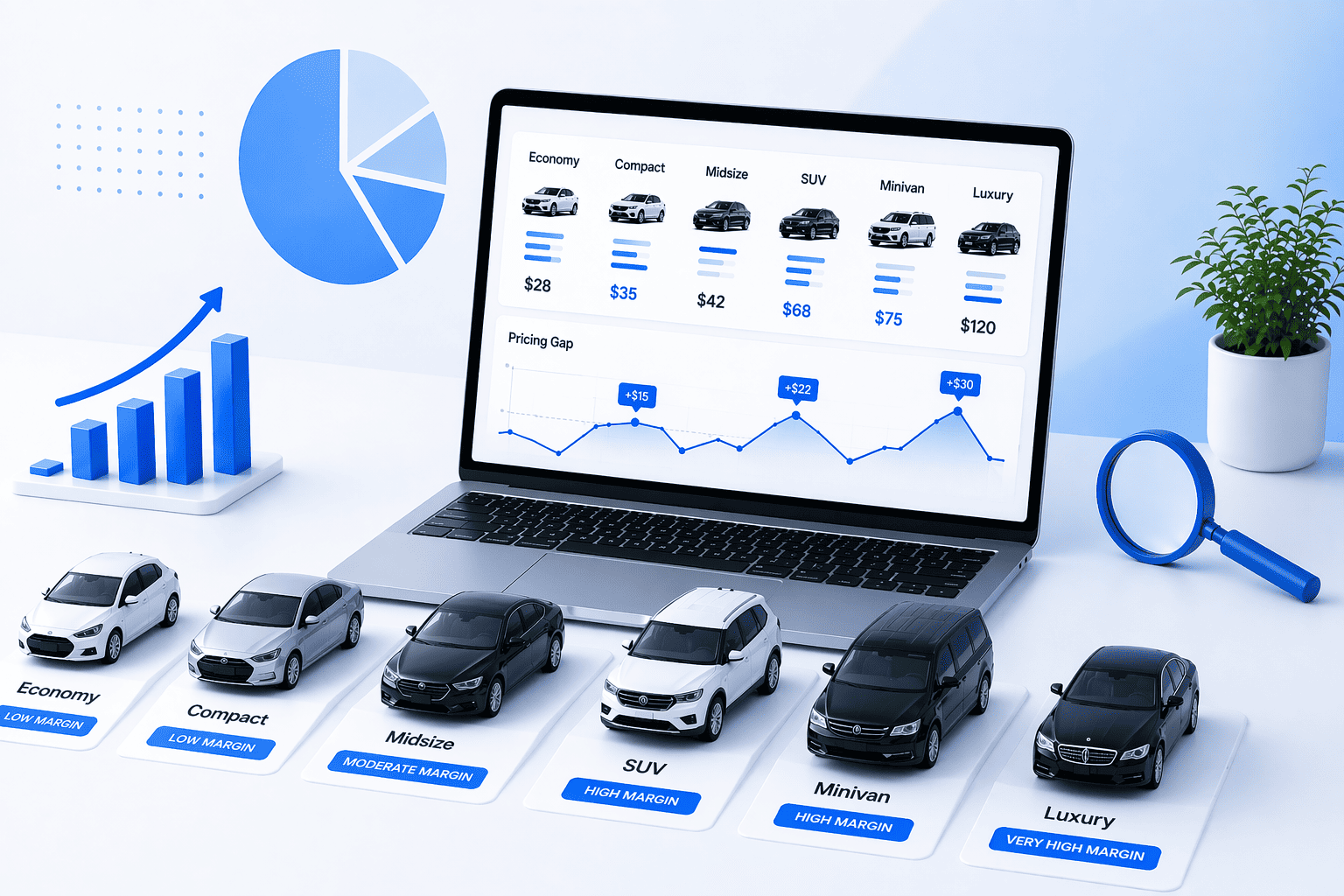
Once confidence grows, selective automation can follow. Economy rates can move within safe percentage ranges while luxury and specialty categories remain under manual review.
This layered approach reduces risk while still saving valuable time.
AI Should Support Confidence
Many platforms talk about AI pricing suggestions. That sounds impressive, but most operators want something much simpler: confidence.
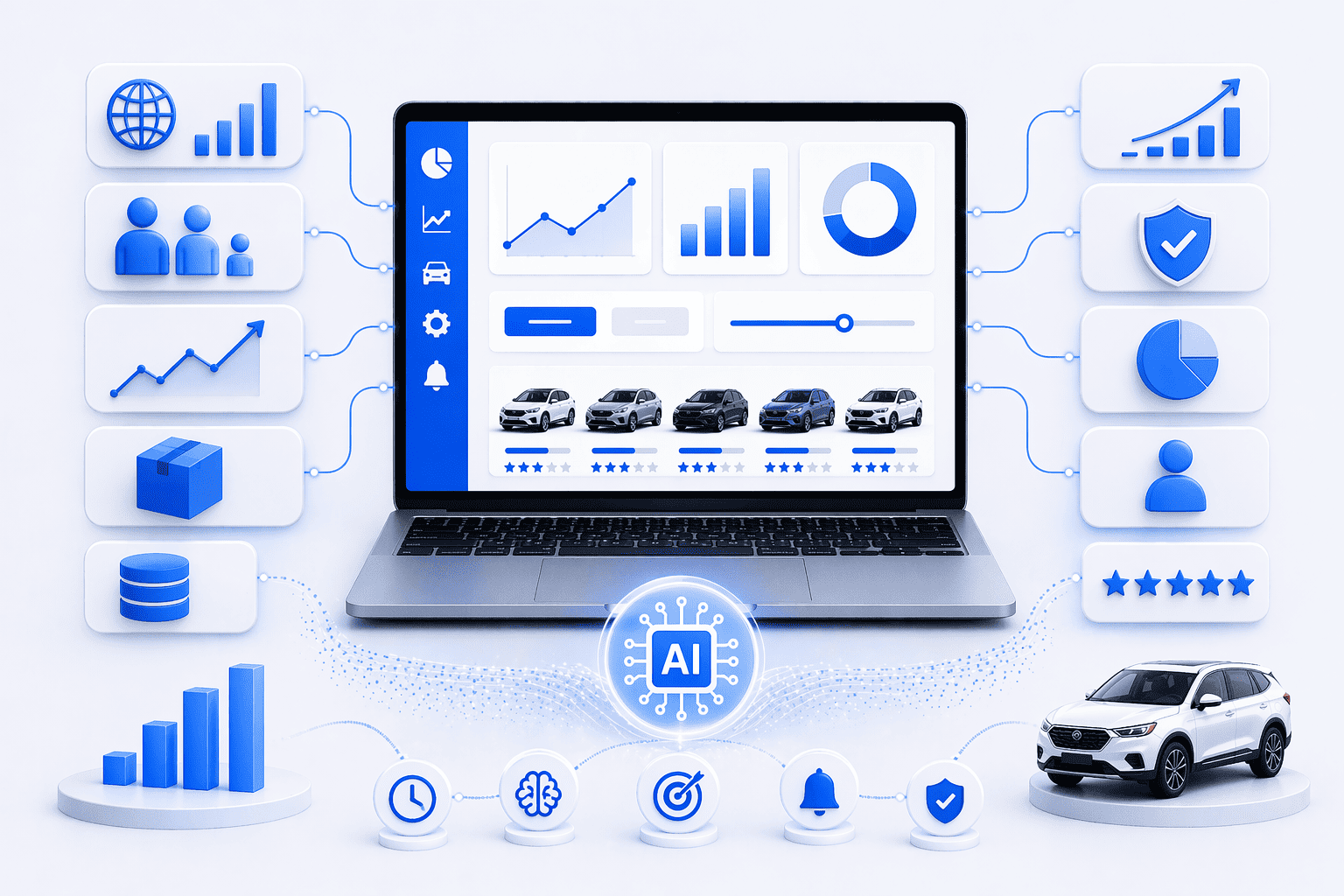
They want to know why the recommendation is happening, what competitor movement triggered it, and what happened last time the same decision was made.
Good AI answers those questions. Bad AI hides them.
Transparency matters more than automation buzzwords. The goal is not to remove people from pricing. The goal is to help people make faster, smarter decisions with better information.
That is what creates trust.
Start Small, Scale Carefully
You do not need full automation on day one. The best operators start with visibility, then move to alerts, then limited safe automations, and finally strategic optimization.
They treat pricing automation like a process, not a switch.
They test. They learn. They adjust.
That creates long-term results.
The operators who fail usually skip straight to full automation and hope for perfect outcomes. Pricing does not reward hope. It rewards discipline.
And automation works best when discipline comes first.